
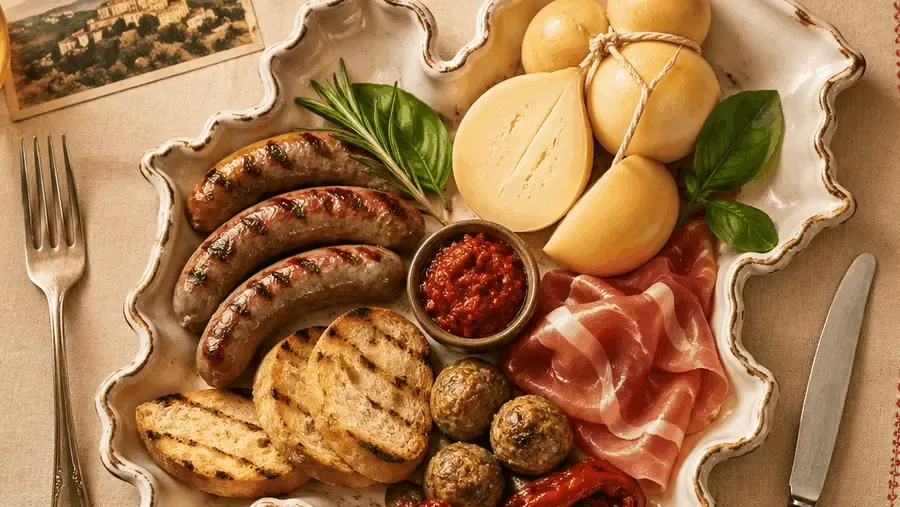
Molise is likely the less popular Italian region for Italians and foreigners. However, open-minded and curious visitors have the opportunity to discover a cuisine rooted in its history and territory. Molise cuisine history is rooted in farmers’ traditions, but it became rich over the years, despite its recipes being composed of simple and genuine ingredients.
Local Products
Miranda Panonda
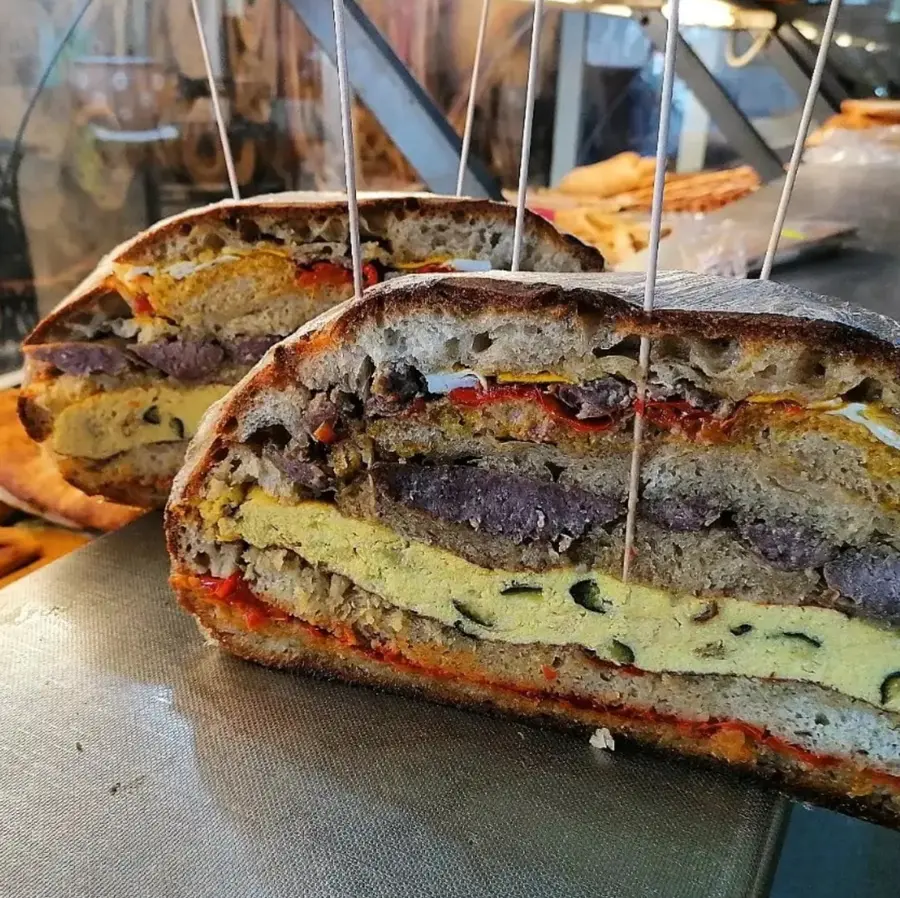
Miranda Panonda (or Panonta) consists of 2kg home made bread chopped in parallel lines and filled with some of the most unique regional ingredients, easily findable in every season directly in the area: extra virgin olive oil, sausage, peppers, eggs and cheese. It’s an ancient dish, farmers used to bring it during hard work in their lands - often paired with a home-made wine.
Secret is in the extra virgin olive oil authentic taste: Molise is known for its high-quality olive oil seasons, with oil mills that crush olives from ancient olive groves.
Caciocavallo
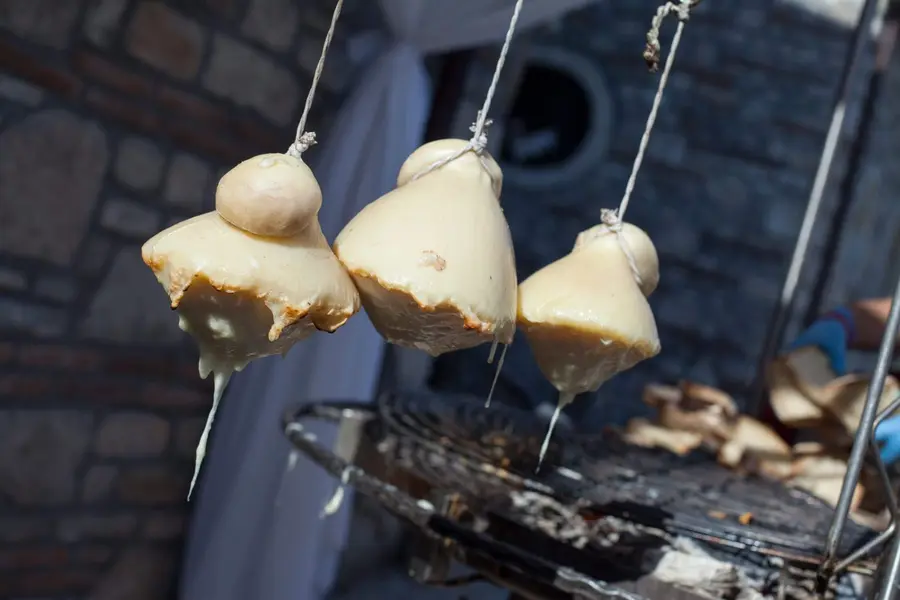
Its majesty: Molise Caciocavallo is one of the most typical dishes of the region. How is it obtained? Cheese factories stretch the curd and tie it with a notch on the top, creating its unique shape.
Initially, Caciocavallo has a polished crust, it’s yellow inside and it has a delicate taste.
Seasoned Caciocavallo has a tougher crust and a spicy and harsh taste.
Seasoned Caciocavallo can be crushed on pasta, the fresh one it’s eaten in slices - local chestnut honey pairs well. Iconic is the hanged Caciocavallo: it’s melted with the barbeque heat and then spread on a toasted slice of bread.
Ricotta
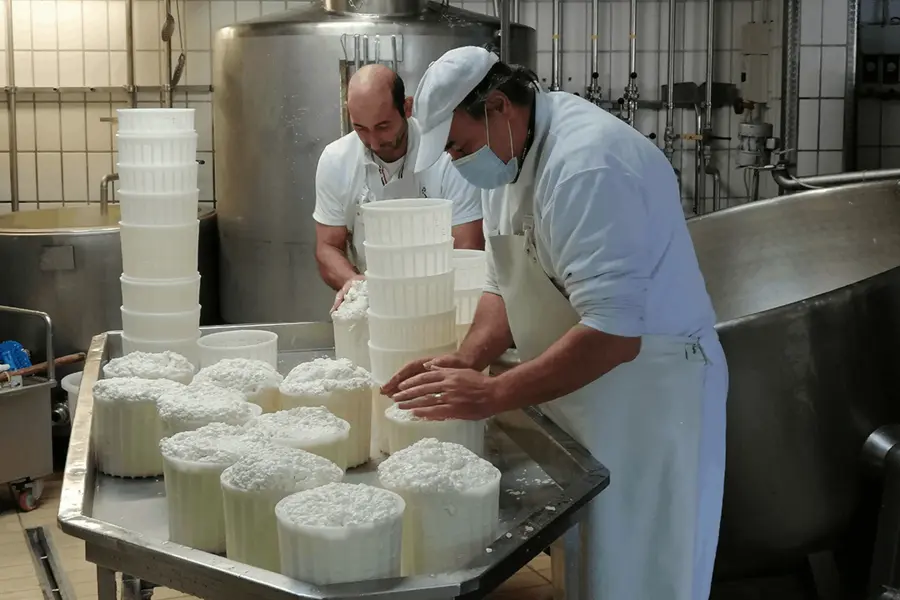
Product of the serum working, Molise Ricotta has an authentic taste. You can use it as a fresh pasta dressing or you can simply taste it on a spoon. Its taste will stay with you for a long time.
Main Dishes
Cavatelli
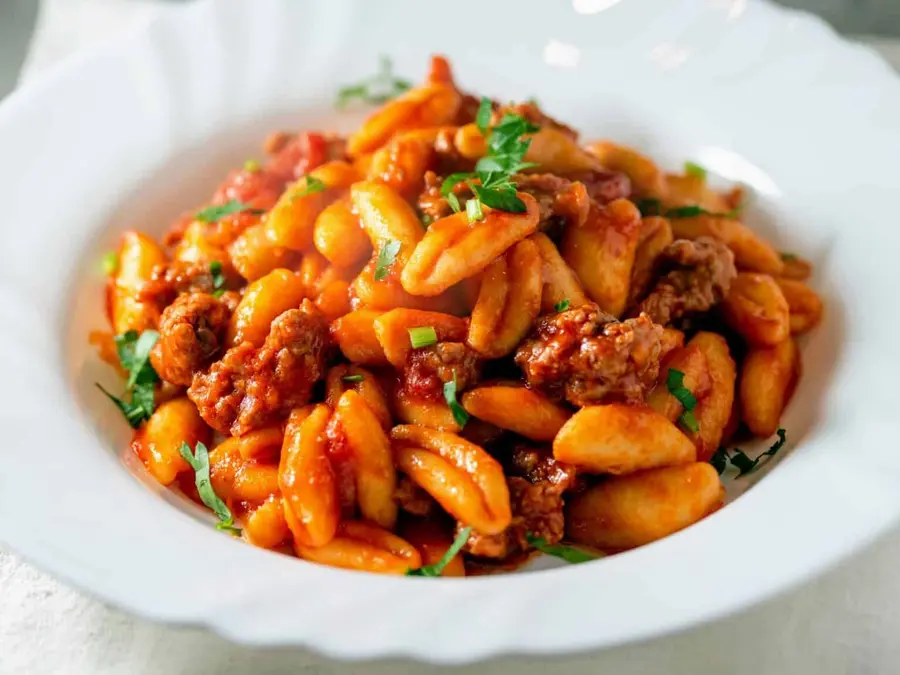
Cavatelli are the flagship fresh hand-made Molise Pasta. Small gnocchi striped by hand, they are matching using heaps of different dressings such as lamb ragout, porcini mushrooms and sausage, basil and tomato sauce or seasoned ricotta. Each little town has its own differences and every nonna has her own technique.
Molise Polenta
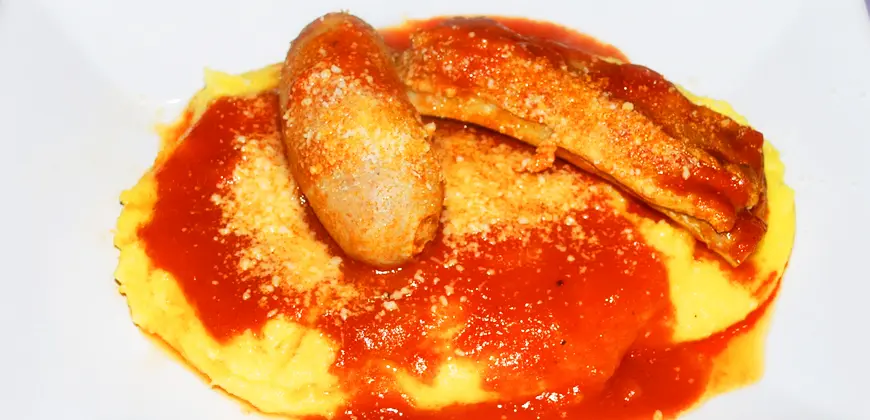
Also called “Ru Macc” in Molise dialect, farmers used to eat it in their lands as well. Obviously, Polenta is a dish claimed by people all over the world. The unique feature of Molise Polenta is the homemade dressing - typically tomato sauce (called “la conserva”) and sausages - and homemade corn flour.
Tacconelle and Beans
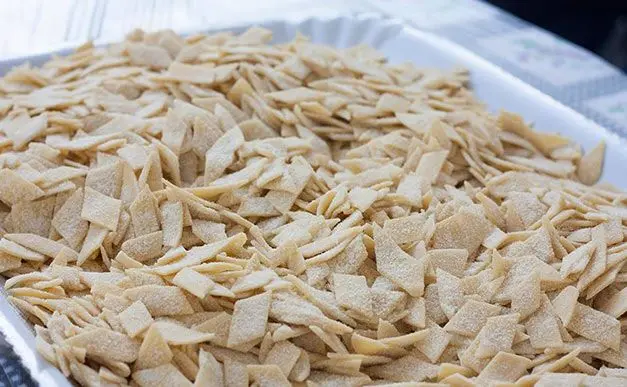
During the winter, taccunell’ e facioul is a must. Local Borlotti beans (Matese beans) are cooked for a long time with pork rind, laurel and chilli. Taccozze are a crowd jewel, one of the most recognised typical fresh pasta. It’s a dish that warms you, perfect after you’ve spent a day skiing or in the mountains.
Meats
Lamb
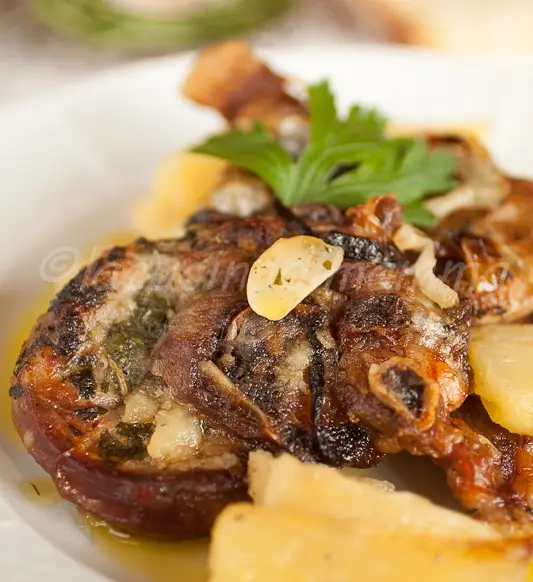
Molise is a transhumance territory: sheep flocks transited through tratturi (cattle tacks) connecting Abruzzo and Apulia regions for centuries. Our property is steps from a few cattle tracks.
Molise lamb is raised free-range on the Appennines mountains. Its quality is remarkable. It’s cooked in the oven with potatoes, rosemary and garlic; BBQ with lemon and salt; Humid-cooked with peppers and olives; and other cooking methods.
Pork and Salami
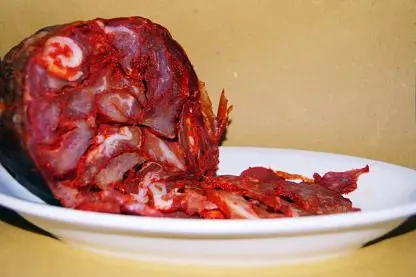
Pork culture is strong. Molise salami - such as Capocollo, Sopressata, Ventricina, Salsicce - are easy to find in butchers and grocery shops. Salami used to be eaten during feast days to share with all the family at the table. Ventricina (“Ventresca” in Molise dialect) is one of the most featured in the area. It’s a roughly-minced pork salami with sweet chilli, put in the pork bladder. If not seasoned, you can spread on a bread slice. If seasoned, you can BBQ it. In Isernia, the seasoned version is more popular.
Salt Cod
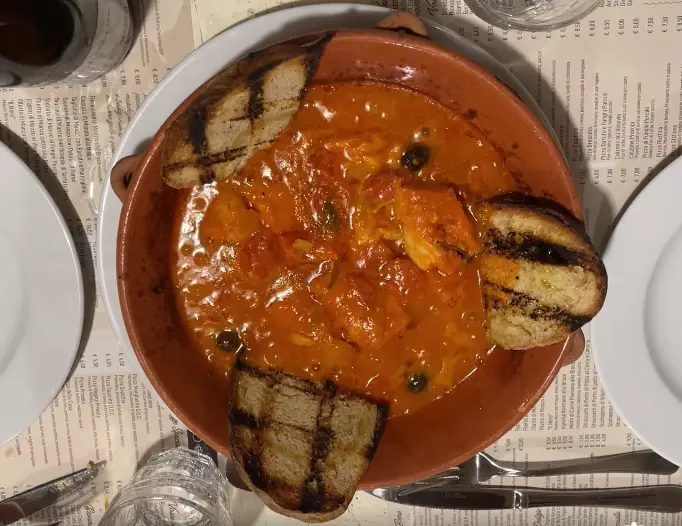
Weird but true: cod is a central dish in Isernia cuisine, in spite of Isernia not being by the sea. The reason is historical: Norwegian seamen used to sell dried cod also in internal regions, where it became an economic option in scarcity periods. Isernia-style cod is humid-cooked with tomatoes, olives and capers and it’s typical in Christmas Eve dinner.
Potatoes and Meat under a cup (sott’a la coppa)
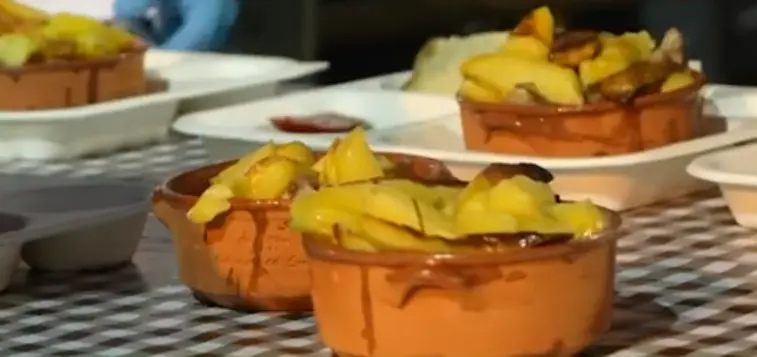
This delight smells like Sunday’s nonna lunches. Meat and potatoes are cooked under metal cups covered by incandescent embers. Every year In August, just 30 min by car from the property (Civitanova del Sannio), there’s a festival where they cook this dish.
Sweets
Agnone Wafers
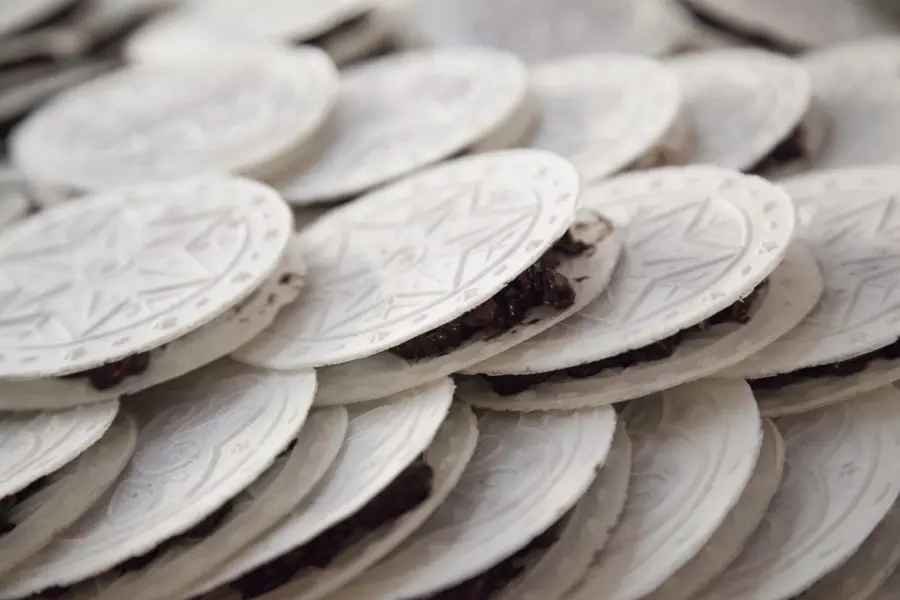
Typical sweet from Agnone (about 50 min by car from the property). The filling is composed by roughly crushed and toasted nuts and almonds, honey, sugar, dark chocolate, bitter cocoa. All this pressed amongst two wafers. Their scent is spicy and their taste is sweetish. It’s the Christmas Agnone star sweet product.
Cicerchiata (Struffoli)
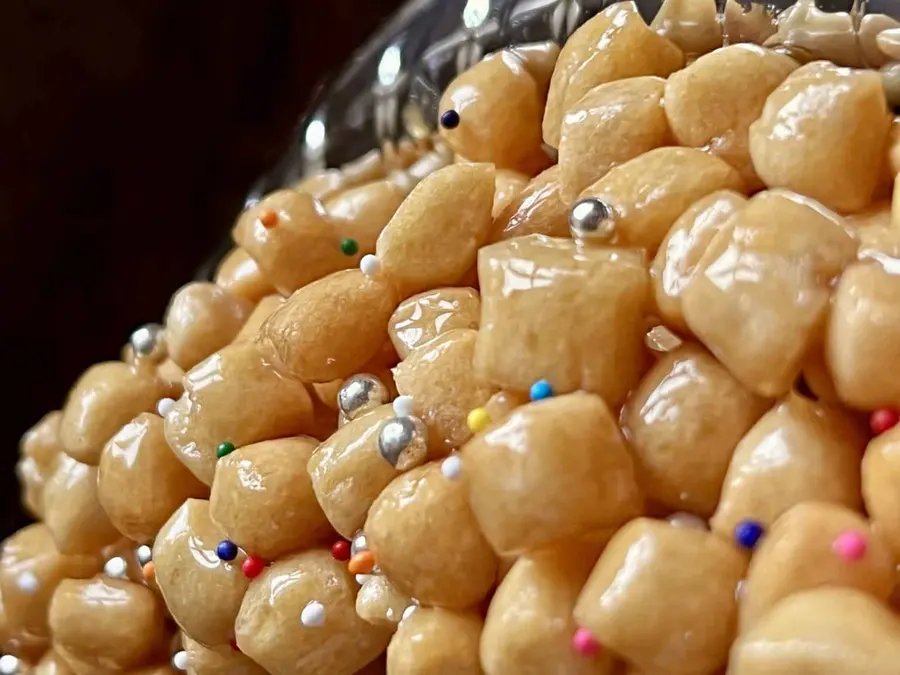
One of the most iconic Christmas dish: small fried pastry balls covered by honey and decorated with coloured confetti. Similar to Napoli Struffoli but with a different texture.
I vini
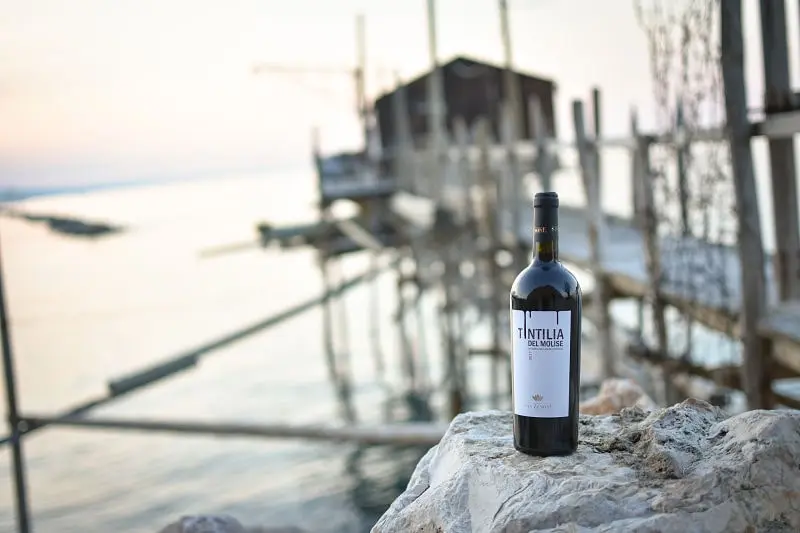
Molise mainly produces two wine kinds:
Molise Tintilia — Flagship native grape variety, it risked extinction during the 80s, re-discovered and valued in the last decades. Wine production is characterised by tannic taste, dark fruits notes and spicy scents, with a good acidity. It pairs well with seasoned salami and lamb. Abruzzo Montepulciano (Also produced in Molise) — less pronounced than Tintilia, perfect to pair while eating.
What are some good places to eat in Molise?
Old town trattorie
Search for humble restaurants in the historic centre streets. Menus are seasonal and they are not too advertised.
Countryside Agritourisms
All around Isernia, agritourisms offers lunches and dinners with homemade products: cheeses, seasoned salami, local wine. Book in advance, specially on weekends.
Butchers, cheese factories and grocery shops
If you want to bring with you Molise tastes, buy salami and cheeses in historic butchers, olive oil from oil mills, Tintilia wine in wineries.
Molise has a complex gastronomic culture: every small town has its own specialities, often not known at all. In this article, just a few have been mentioned.
Staying at our property, you are 10 minutes from the best trattorie in town and we can advise you places, people, restaurants where real locals eat and buy typical dishes and products. Book your stay →